
Introduction
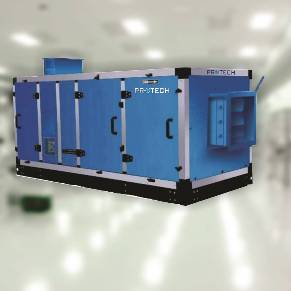
An Air Handling Unit is a vital part of HVAC systems, responsible for managing airflow, conditioning air, and maintaining indoor comfort. It distributes fresh, filtered, and temperature-controlled air throughout commercial, industrial, and residential buildings. Beyond simple air circulation, an AHU removes pollutants, dust, and allergens, creating a healthier indoor environment.
Understanding the operation and advantages of an Air Handling Unit helps building managers, engineers, and facility owners optimize energy efficiency, improve maintenance routines, and extend the life of their HVAC systems. Essentially, an AHU acts like the lungs of a building, continuously supplying fresh air and removing impurities.
What is an Air Handling Unit?
An AHU is a mechanical device that conditions and circulates air as part of a building’s HVAC system. It typically includes:
- Fans or blowers to move air throughout the building
- Heating and cooling coils to adjust the temperature
- Filters to remove dust, allergens, and airborne particles
- Dampers to regulate airflow
- Sensors and controls to ensure efficient operation
AHUs are connected to ductwork that distributes conditioned air to multiple spaces, ensuring consistent comfort and air quality.
Key purposes of an Air Handling Unit:
- Ensure healthy indoor air quality
- Maintain comfortable temperature and humidity
- Support efficient air circulation across the building.
Components of an Air Handling Unit
Breaking down an AHU shows how each part contributes to its function:
1. Fans and Blowers
Fans move air through the unit and into the building’s ductwork. They can be centrifugal for high-pressure airflow or axial for larger volumes.
2. Filters
Filters trap dust, pollen, and other contaminants. High-efficiency filters help maintain a clean and safe indoor environment.
3. Heating and Cooling Coils
Coils regulate air temperature. Hot water, steam, or refrigerant may pass through these coils to heat or cool the air as needed.
4. Dampers
Dampers adjust airflow to different areas and maintain proper system pressure. They may be manual or motorized.
5. Humidifiers (Optional)
Some AHUs include humidifiers to add moisture, prevent dry indoor air, and increase occupant comfort.
How Does an Air Handling Unit Work?
An AHU processes air in several stages:
- Air Intake: Pulls in outdoor fresh air or recirculates indoor air.
- Filtration: Removes dust, pollen, and other impurities.
- Heating/Cooling: Adjusts air temperature using coils.
- Humidification (Optional): Adds moisture if needed.
- Distribution: Sends conditioned air through ducts to various building zones.
Tip: A simple diagram of airflow helps readers visualize the process and improves engagement.
Types of Air Handling Units
1. Packaged AHUs
Fully assembled units, ready for installation. Ideal for most commercial applications.
2. Modular AHUs
Customizable units made of separate modules, allowing flexibility for larger or specialized systems.
3. Roof-Mounted AHUs
Installed on rooftops to save interior space. Common in large commercial buildings.
5 Key Benefits of Using an Air Handling Unit
A well-designed AHU offers multiple advantages:
- Enhanced Air Quality: Filters remove airborne contaminants.
- Energy Efficiency: Variable-speed fans and energy recovery systems reduce power use.
- Comfortable Environment: Maintains consistent temperature and humidity.
- Lower Maintenance Costs: Centralized air handling reduces strain on smaller HVAC units.
- Flexible Applications: AHUs provide airflow for any building.
Air Handling Unit Maintenance Tips
Proper care ensures long-lasting performance:
- Replace or clean filters regularly
- Inspect fans, motors, and belts for wear
- Clean heating and cooling coils to maintain efficiency
- Lubricate moving components
- Schedule professional inspections at least once a year
FAQs
1. What is an Air Handling Unit (AHU)?
It is a system component in HVAC setups that circulates and conditions air for comfort and safety.
2. How does an Air Handling Unit work?
The unit draws air, filters it, adjusts temperature, optionally adds moisture, and distributes it through ducts.
3. What are the main components of an AHU?
Fans, filters, coils, dampers, and optional humidifiers.
4. What are the types of Air Handling Units?
Packaged, modular, and roof-mounted.
5. Why is an AHU important?
It ensures indoor air quality, temperature control, and energy efficiency.
6. How often should an AHU be maintained?
Filters: 1–3 months, motors/fans: 6 months, professional inspection annually.
7. Can an AHU improve indoor air quality?
Yes, by filtering dust, allergens, and pollutants.
8. What is the difference between an AHU and an HVAC system?
An AHU is a component for air handling, while HVAC is the complete heating, ventilation, and cooling system.
9. Are AHUs energy-efficient?
Modern units use variable-speed fans and energy recovery systems for optimal efficiency.
10. Where are Air Handling Units commonly used?
In offices, hospitals, factories, commercial buildings, and large residential complexes.
Conclusion
An Air Handling Unit (AHU) is essential for ensuring healthy, comfortable, and energy-efficient indoor environments. Knowing its components, operation, and maintenance helps building managers and engineers optimize HVAC systems. For high-performance Air Handling Units, visit and contact us, Protech Air System.